
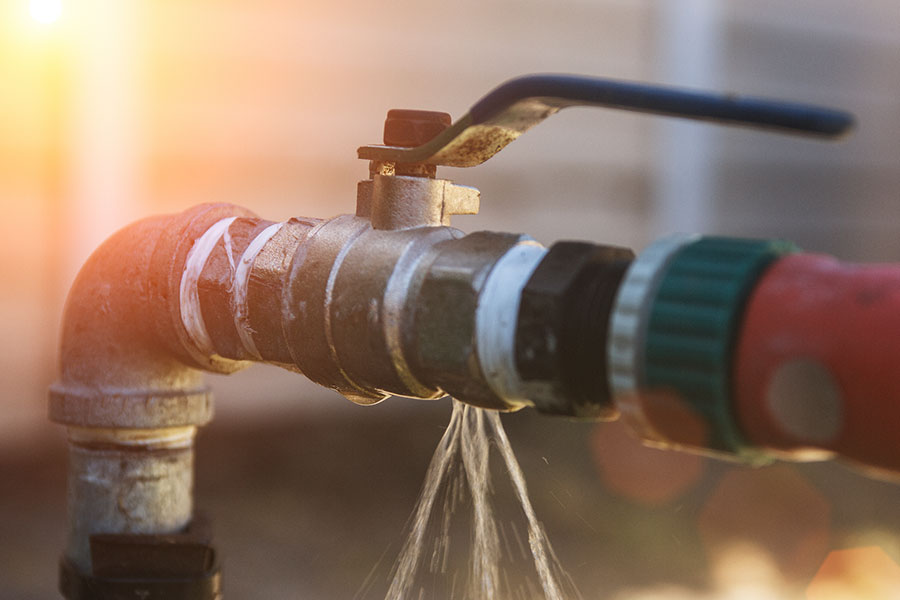
As homeowners in Immokalee, FL, we know the importance of quickly identifying and addressing water leaks to prevent costly damage and safety issues. We’ll show you how to spot the signs, locate the source, assess the damage, choose the right repair, and prevent future leaks. From simple patches to more complex pipe replacements, we’ll guide you through the process step-by-step to get your home back in top shape. Keep reading to discover our expert tips and recommendations.
Identifying Signs of a Water Leak
Identifying the signs of a water leak can be the first step in resolving the issue. Look for damp spots on walls, floors, or ceilings, as these could indicate a leak.
Also, check your water bill – a sudden spike may signify a hidden leak. Listen for the sound of running water when all taps are off.
Observe your water meter; if it’s moving when no water is in use, you likely have a leak. Mold or mildew growth is another red flag.
Peeling paint or wallpaper, and the presence of rust around pipes, can also signal a leak. If you notice any of these indicators, it’s time to take action and locate the source.
Catching a leak early can prevent extensive water damage and save you money in the long run. Regular inspections can help identify issues before they become significant problems, ensuring the long-term health of plumbing systems.
Locating the Source of the Leak
Where do we start when locating the source of a water leak? The first step is to inspect the area around the suspected leak. Look for any moisture, discoloration, or signs of damage on walls, floors, and ceilings.
Next, check the plumbing fixtures and pipes in the affected area. Turn on faucets and listen for any unusual sounds, like dripping or running water. You can also use a moisture meter to detect hidden leaks behind walls or under floors.
If the source is still elusive, we may need to conduct a more thorough inspection, including shutting off the main water supply and monitoring the water meter for changes. Regular plumbing inspections can help identify potential issues before they become significant problems.
With a bit of detective work, we can pinpoint the origin of the leak and get it fixed quickly.
Assessing the Damage and Safety Concerns
Once we’ve located the source of the water leak, it’s crucial to assess the extent of the damage and any potential safety concerns.
We’ll need to carefully examine the affected area to determine how much water has already leaked and the extent of any resulting damage to walls, floors, ceilings, or other structures.
We’ll also want to check for any electrical hazards, such as exposed wiring or outlets that may have come into contact with the water.
Safety is the top priority, so we’ll take all necessary precautions to prevent any further issues or risks to you and your family.
With a thorough understanding of the situation, we can then develop an effective plan to address the leak and fully restore your home. Additionally, we may utilize modern diagnostic tools to accurately evaluate any further potential issues that could arise.
Choosing the Right Repair Method
After assessing the extent of the damage and any potential safety concerns, we’ll carefully consider the best repair method to address the water leak.
Depending on the location and severity of the leak, we may opt for a simple patch or sealant. More extensive damage may require pipe replacement or relining.
For leaks in walls or under floors, we may need to open up the area to access the source. Slab leaks often necessitate specialized techniques like hydrostatic testing or pipe tracing.
No matter the approach, we’ll explain the options clearly and help you choose the most cost-effective solution that resolves the issue permanently. Our team utilizes advanced tools for accurate leak detection to ensure we address the problem effectively.
Our priority is restoring your plumbing system to full functionality while minimizing disruption to your home.
Preventing Future Water Leaks
Although addressing a water leak is crucial, preventing future issues is equally important. We can take proactive measures to avoid repeat leaks and safeguard our home.
First, consider upgrading older plumbing fixtures and appliances prone to failure. Regular maintenance, like inspecting pipes and sealing any cracks, is also key.
Upgrading to leak detection systems or smart home technology can provide early warnings of potential issues. When performing DIY work, take care to use the proper materials and techniques to ensure a lasting repair.
Finally, be mindful of water usage and address any unexplained spikes. By being vigilant and making targeted improvements, we can reduce the risk of future leaks and protect our home’s structural integrity.
Conclusion
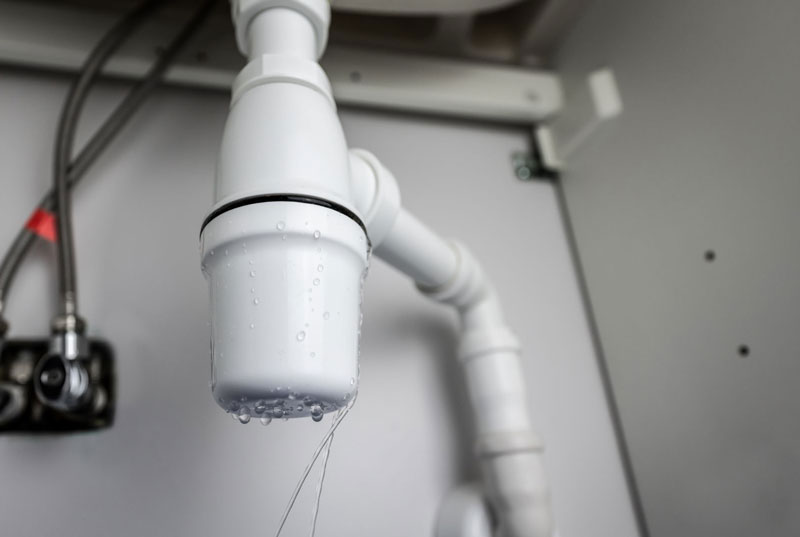
We hope this guide has empowered you to tackle water leaks in your Immokalee home. Remember, acting quickly is key – did you know that a small leak can waste up to 3,000 gallons of water per year? Don’t let your home and wallet fall victim to the consequences of undetected leaks. Take control and keep your property dry and secure.