
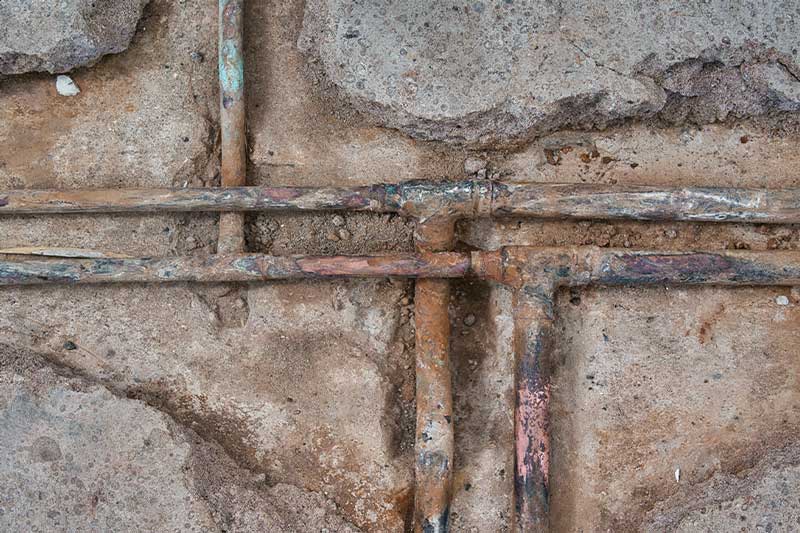
Harlem Heights is a residential community in Lee County situated between Fort Myers and Sanibel Island, where many homes were built on concrete slab foundations during the area’s growth decades of the 1970s through the 1990s. Slab foundations are standard throughout Southwest Florida, and the pressurized water lines running beneath them are subject to corrosion, soil movement, and joint stress that develops slowly and often without any visible surface indication. When those underground pipes fail, the consequences can be severe and expensive. Recognizing the warning signs early and responding with professional slab leak detection and repair is the most effective way to protect a Harlem Heights home from the structural and financial damage that an undetected slab leak produces.
Signs You Might Have a Plumbing Issue Beneath the Slab
Not every plumbing problem originates beneath the foundation, but certain patterns of symptoms point specifically toward the supply or drain lines running under the slab. Unexplained increases in the monthly water bill without any corresponding change in usage are one of the earliest and most reliable indicators. Fluctuating water pressure at fixtures throughout the home, particularly when the drop is gradual and progressive, also suggests that water is escaping the system somewhere below the surface.
Damp spots on flooring, particularly on tile or concrete surfaces that should not retain moisture, and soft or discolored areas in flooring materials are physical signs that water is migrating upward from beneath the slab. Any combination of these symptoms warrants professional evaluation using diagnostic equipment designed to locate subsurface leaks accurately without exploratory demolition.
Unexplained Running Water Sounds
Hearing the sound of running water when every fixture in the home is turned off is one of the clearest indicators that water is escaping somewhere in the plumbing system. In a home with slab foundation construction, that sound frequently originates from beneath the floor, where a pressurized supply line has developed a crack or joint failure that allows water to flow continuously regardless of household demand.
This symptom should never be dismissed as background noise or attributed to the normal sounds of a home settling. A supply line leak beneath the slab is an active, ongoing problem that worsens with time. The water that escapes saturates the soil beneath and around the foundation, creating conditions that can undermine structural integrity and introduce moisture into the home from below. Prompt professional assessment stops that process before it reaches the point of requiring major structural remediation.
Water Stains on Ceilings or Walls
Water stains appearing on walls or ceilings in a single-story slab home point to moisture that is working its way through building materials from a source that is not immediately visible. In homes with slab foundations, staining near floor level on interior walls often indicates that water migrating upward from beneath the slab is being absorbed into wall framing and drywall. Staining that appears in consistent locations and slowly expands over time is particularly concerning.
These stains cause cosmetic damage to paint and wall surfaces, but the more serious concern is what they represent structurally. Water that has traveled through a slab and into wall cavities creates conditions for mold growth and wood framing deterioration that compound the damage well beyond what the stain itself suggests. Professional water leak detection and repair identifies the source accurately so the repair addresses the actual problem rather than the surface symptom.
Damp or Moldy Smells in the Home
Persistent musty or mildew-like odors that cannot be resolved through cleaning or ventilation indicate that moisture is present somewhere in the home’s structure on a continuous basis. In a slab foundation home, that persistent moisture source is frequently a slab leak introducing water into the building’s envelope consistently and gradually.
Mold establishes itself quickly in damp conditions and spreads through wall cavities, subfloor materials, and HVAC ductwork if the moisture source is not eliminated. Beyond the structural damage, mold exposure carries genuine health implications, particularly for household members with allergies, asthma, or compromised immune systems. Addressing the underlying slab leak is the only way to permanently resolve the moisture condition driving mold growth.
Cracks in Walls or Flooring
Cracks appearing in interior walls, floor tile, or the home’s foundation area are among the more serious warning signs associated with slab leaks. When water escapes beneath the slab over an extended period, it erodes soil support beneath the foundation and creates differential settling that produces stress fractures in the structure above. The specific crack patterns most associated with this cause include:
- Vertical cracks in drywall that widen progressively over weeks or months
- Cracks appearing at door and window corners where frame stress concentrates
- Tile grout lines cracking or tiles separating from the subfloor
- Gaps developing between wall bases and flooring surfaces
- Cracks that extend from floor level upward into wall surfaces
Any of these patterns in a slab foundation home should prompt immediate professional evaluation rather than cosmetic repair alone.
Mysterious Hot Spots on Your Floors
Warm or hot areas on otherwise cool tile or concrete floors are a highly specific indicator of a hot water line leak beneath the slab. When a pressurized hot water supply line develops a crack or joint failure below the foundation, the escaping heated water warms the concrete and floor surface directly above the leak point, creating a temperature anomaly that is perceptible underfoot.
This symptom is particularly useful for narrowing the location of a slab leak before diagnostic equipment is deployed. Homeowners who notice consistent warm zones on their flooring, particularly when accompanied by other symptoms such as unexplained water bill increases or running water sounds, should contact a professional immediately. The combination of symptoms makes a slab leak diagnosis highly probable and makes prompt action essential to limiting the extent of foundation damage.
Difficulty Using Plumbing Fixtures Throughout the Home
When plumbing performance deteriorates across multiple fixtures simultaneously, the cause is almost always a systemic issue rather than an isolated fixture problem. Low water pressure affecting the entire home, recurring drain backups in multiple locations, and unusual sounds from pipes throughout the house all indicate that something has changed in the broader plumbing system rather than at a single point.
In Harlem Heights homes with aging slab foundations, these patterns of widespread plumbing difficulty often trace back to a slab leak that has been developing for an extended period. A professional plumbing inspection using modern diagnostic tools, including acoustic detection equipment and thermal imaging, can identify the source accurately and provide homeowners with a clear picture of what the repair involves before any work begins.
Protecting Your Harlem Heights Home From Slab Leak Damage
Slab leaks are among the most consequential plumbing problems a homeowner can face, but they are also among the most manageable when identified and addressed early. The seven warning signs discussed here represent the clearest signals that a professional evaluation is warranted, and acting on them promptly is consistently less costly and less disruptive than responding after the damage has fully developed.
If your Harlem Heights home is showing any of these indicators, contact our team today to schedule a professional slab leak assessment and protect your property before the situation escalates.